


A bathroom is an essential feature found in almost every home, and everyone naturally wants to keep it clean. However, the tiles in many homes tend to get dirty quickly. Therefore, this guide explains how to clean bathroom tiles, providing all the necessary information to help you clean them with ease.Nowadays, most homes feature tiled bathrooms; while I have seen homes without them, such instances are rare.
The mere mention of “tiles” might suggest a limited scope, but the reality is quite different, as the materials used for tiles vary significantly. Consequently, bathrooms differ based on these material factors.
Therefore, let us keep in mind that the subject of cleaning bathroom tiles involves a nuanced range of considerations, even if it does not span an overwhelmingly vast scope. There are various ways these tiles can get dirty, and likewise, there are specific methods for cleaning them. Attempting to clean them haphazardly can result in damage to the tiles.
I have seen many such households; by the time the owners realize the damage, the tiles are already ruined. In rare instances, it has even become necessary to remove all the tiles. While this may seem surprising, it can genuinely happen due to a lack of knowledge. Therefore, understanding the proper way to clean bathroom tiles is very important.
Bathroom tiles frequently become soiled due to factors such as the accumulation of soap residue and hard water deposits, as well as the formation of mold stains
Key points to consider
A bathroom cleaner without bleach makes sense for routine cleaning of tile and soap scum. The Bathroom Ultra Foamer from Clorox is designed for solid, non-porous surfaces in the bathroom and deals with soap scum as well as dirt and debris.
To remove mold and mildew stains from suitable surfaces, Clorox Plus Tilex Mold & Mildew Remover can be used as it is specially designed for glazed ceramic tiles and grouts.
Cleaning dirty grouts calls for a grout/tile cleaner and a nylon brush. The grout cleaning tips provided by Home Depot similarly suggest that you should wear gloves and use a branded grout/tile cleaner along with scrubbing and rinsing.
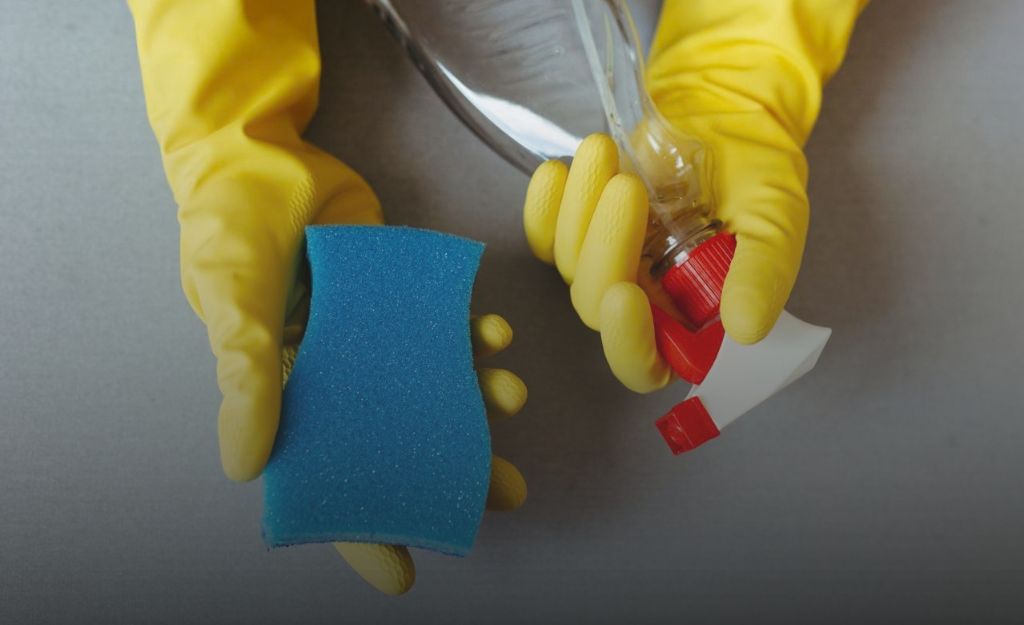
Factors to consider before cleaning a tile
1 .First of all, determine the tile material. This is crucial. Ceramic tiles will be treated differently than natural stone. Labels designate the product’s own material and may omit stone such as marble.
2 .Get rid of any unwanted grease or dust. You can sweep or vacuum the tiles. If you have tiles on the wall or in the shower, remove any objects before cleaning.
3 .Use the appropriate type of cleaner. Pay extra attention to areas with soap scum and corners, grout lines and areas near water faucets.
4. Scrubbing is important, but it is crucial to ensure that no damage is done to the surface. Use a spongy sponge made specifically for tiles, and use a throwaway grout-bag brush for the grout. It is advised to avoid any cleaning agent which is too aggressive and rather rough to delicate surfaces.
5. Treat grout separately and ensure to apply the right cleaning agent. Leave the agent as per the instructions, scrape the grout grooves with a brush, and make sure it is rinsed away. Grout gets damaged easily because of the trapped dirt, moisture and the nature of its position between the tiles.
6. Rinse properly. Make sure to rinse off all residues of the cleaning agent, especially in the areas where the cleaning agent is suggested.
7. Dry the tiles immediately. Use a clean cloth and dry the grout as well.
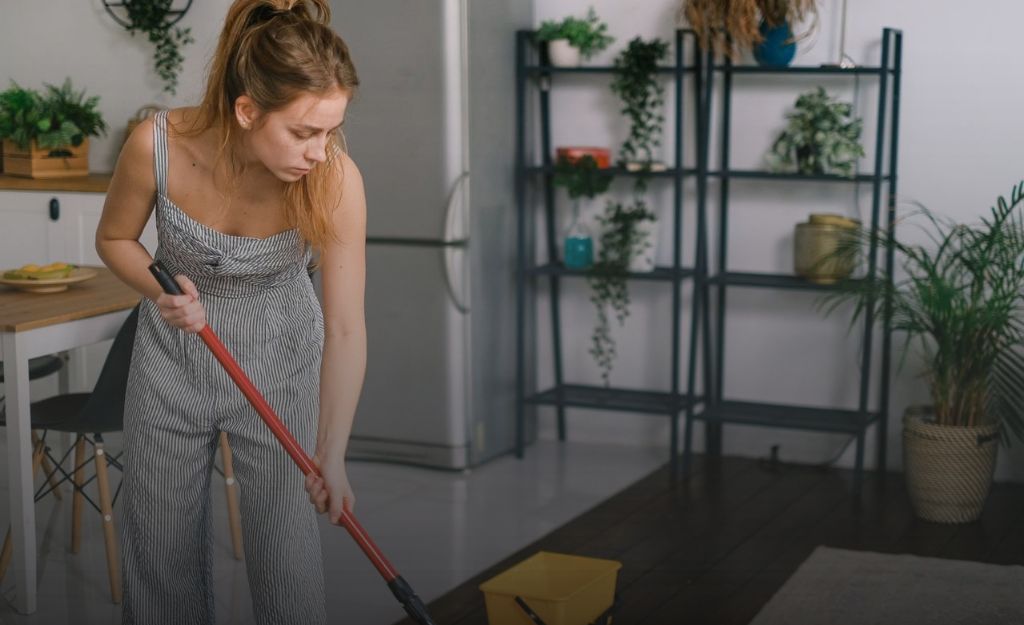
Various problems encountered and the materials recommended for them
To remove daily accumulations of dust and similar particles, it is advisable to use a mild cleaner and wipe the surface with a microfiber cloth. Since soap is frequently used here, soap residue buildup is very common. This can be cleaned effectively using a non-abrasive sponge. In the case of tiled floors, the grout lines often get dirty; in my experience, the best approach is to use a grout cleaner combined with a nylon grout brush.
For mold or mildew stains, you should utilize a product that is made specifically for this purpose. Check if the product is safe to use on your bathroom tiles and grout, following all instruction on labels properly, and be sure to maintain proper ventilation in the room while using the product.
To clean deposits of hard water, you should make use of a specific mineral deposit cleaner that is safe for the type of bathroom tile in your home. Read the instructions on the product carefully before you start and scrub the surface with a non-scratch sponge. Once the surface is clean, rinse it thoroughly with clean water and dry the tile to prevent the formation of new deposits in future.
Special materials used for these and instructions for their use
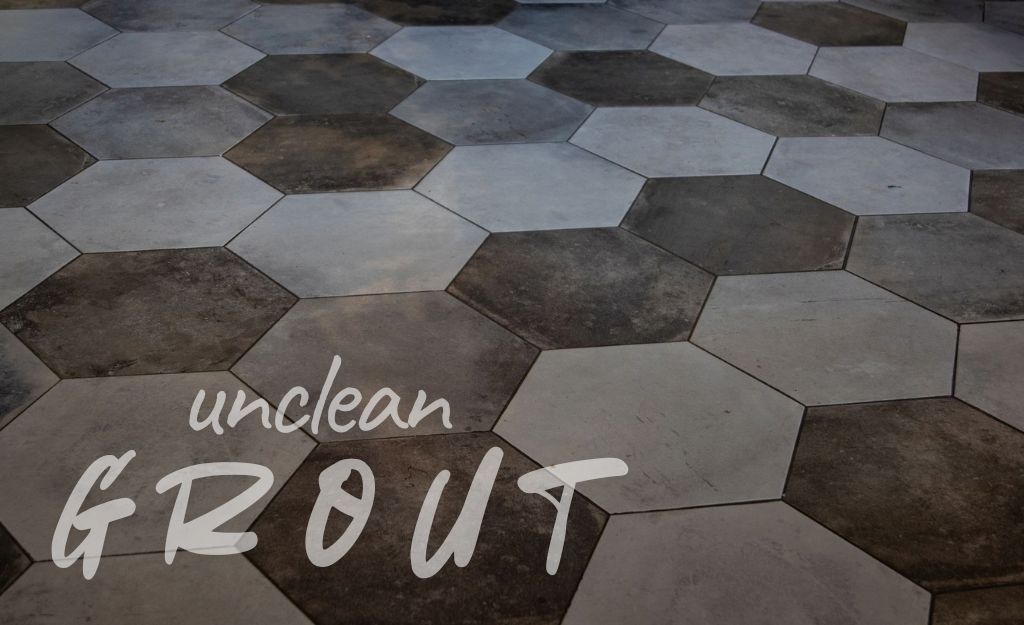
Dirt/Grime: For usual dirt and thin grime on hard surfaces in bathrooms, you can use Clorox Bathroom Ultra Foamer. The way to use this disinfectant is to spray it on the surface and allow it to act as recommended according to the instructions before rinsing it with water. According to the manufacturer, it can be applied to hard and nonabsorbent surfaces such as walls or grout in bathrooms.
Soap Scum: In case you face stubborn soap scum build-up, Clorox Scentiva Bathroom Foamer Soap Scum Remover can help on appropriate tiles and bathtub areas. Use it by spraying the surface from the distance of 6–8 inches as per the manufacturer’s instructions and wait while the foamed liquid settles on the dirty spot for about half a minute and then rinse it again if needed.
Dirt/grime: For common dirt or light grime on hard surfaces in bathrooms, Clorox Bathroom Ultra Foamer can be applied. It should be sprayed on the surface and allowed to perform as per the directions before rinsing off with water as per instructions given. According to the manufacturer’s instructions on hard and non-absorbent material this disinfectant sprays can be used on surfaces like walls and grout in bathrooms.
Soap residue: If you are having trouble with solid soap residue growth, it is best to use the Clorox Scentiva Bathroom Foamer Soap Scum Remover on suitable tiles and bathtub areas. The product must be sprayed on the surface from a distance of 6-8 inches as per manufacturer’s guidelines and let the foam do its job for half a minute before rinsing the area as necessary.
Hard Water Deposits: If you’re dealing with deposits of calcium, lime, or hard water, CLR Calcium, Lime & Rust Remover is an effective solution for eligible surfaces. To use the CLR product, the commercially available formulation must be diluted with an equal proportion of hot water, while any substance should be tested on a hidden area of the surface beforehand. Afterwards, the mixed product should be applied to the hard water deposits for no more than two minutes and rinsed with cold water.
It’s worth noting that CLR denies the use of its product on natural stone surfaces. Therefore, it would be wrong to advise its use on marble, travertine, and stone-like tiles.
Routine Maintenance: Regular cleaning of bathrooms does not require the use of heavy-duty chemical cleaners. The Clorox Bathroom Ultra Foamer can be used to effectively remove the everyday soap scum, dirt, and other impurities in the majority of hard, non-porous bathtub surfaces. Regular cleaning and drying of bathroom surfaces prevent formation of dirt and grime.
Hard Water Residues: If you are struggling with calcium, lime, or hard water residues, CLR Calcium, Lime & Rust Remover is the right solution for corresponding surfaces. CLR product should be diluted in water in equal amounts for usage while products need to be tested on an inconspicuous spot. The resulting mixture can be put on the hard water deposits for no more than two minutes followed by rinsing with cold water.
It should be mentioned that CLR company states that it is not designed for natural stones and, therefore, using it on marble, travertine and stone-like tiles is inadvisable.
Regular Cleaning: Common cleaning procedures in bathrooms do not call for powerful chemical cleaners. Clorox Bathroom Ultra Foamer can be used for cleaning soap scum and other dirt present on hard, non-porous tub surfaces. Regular cleaning and drying of bathroom surface also help prevent dirt and grime from forming.
conclusion
A comprehensive guide on how to clean bathroom tiles is provided here; you won’t need to look anywhere else for further information. Please read this in full. I have compiled this information based on both my own experience and data gathered from the internet. I have shared everything with you—from the necessary cleaning agents and tools to the actual cleaning methods. Now, there is no need to worry about cleaning your tiles; you can safely clean the tiles in your bathroom.
FAQ
1.What is the best thing to clean bathroom tiles with?
When cleaning tiles, there are two primary factors to consider. The first is the type of tile, as it is crucial to ensure the cleaning method does not cause any damage. The second factor is the nature of the dirt or grime. For general soiling, a pH-neutral tile cleaner is suitable, whereas for soap scum or similar deposits, a product like Clorox Bathroom Ultra Foamer can be used.
2.How do you clean bathroom tiles without scrubbing?
In order to clean tiles without scrubbing, use a bathroom cleaning product that matches your tile type on your surface and let it sit for the time it states on the package so that it can break down the grime. Wipe off afterwards with a non-scratch sponge or microfiber cloth, rinse off if needed, and dry. Certain tough stains such as grout and mineral deposits will still require gentle scrubbing.
3.How do you remove soap scum from bathroom tiles?
For getting rid of soap scum, it is best to use a specialized soap scum cleaning product like Clorox Scentiva Bathroom Foamer Soap Scum Remover. The product should be applied as per the instructions provided on the label, allowing the soap scum to loosen before rubbing the affected surface with a non-abrasive sponge.
4.How do you clean dirty bathroom tile grout?
To clean grout, simply apply a pre-prepared grout-cleaning product to the grout with the necessary sitting duration as specified on the product’s label. You can use a nylon brush to scrub the loosened debris and dirt with the help of water. In case you encounter stubborn stains, you can apply a product like Clorox Bleach Foamer & Grout Cleaner.
5.How do you remove mold stains from tile grout?
When dealing with grout stained with mold or mildew, a cleaner specifically designed to treat mold and mildew stains, like Clorox Plus Tilex Mold & Mildew Remover, may be applied in accordance with the instructions on the cleaner’s label. Follow the instructions for using the cleaner, leaving the product on the surface for the necessary amount of time. Always wear a pair of gloves when you are cleaning and keep the area well ventilated.