

When I first started looking for ways to make my home feel more beautiful, I was sure I needed a big budget. I pictured new sofas, designer decor, and a full room makeover. That belief nearly stopped me before I began. What I learned changed my mind. Learning how to make your home look expensive for cheap is less about spending and more about seeing your space differently. The smallest changes often made the biggest difference.
This article is a recap of the methods I utilized in my house previously. The steps included do not require notable expense or special skills.
The Importance of Proper Styling in Making Your Home Look Expensive
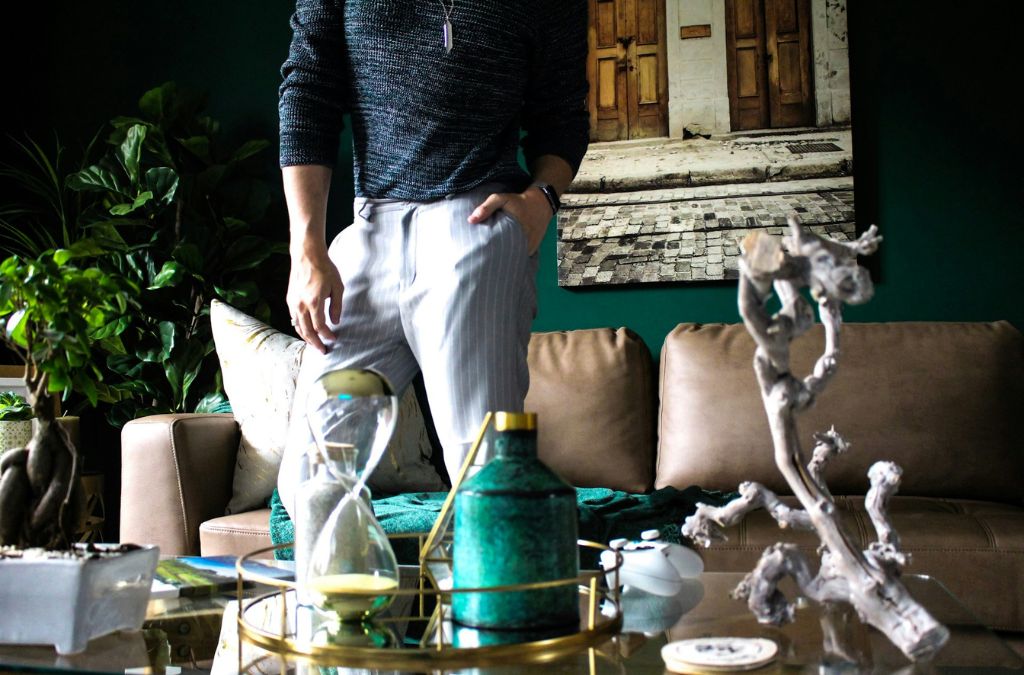
Think about the homes that make you stop and say, “This looks so elegant.” They are rarely the ones packed with costly items. They feel calm, balanced, and intentional.
That is the key insight. A room looks expensive when it looks cared for. Clean surfaces, comfortable lighting, matching tones, and a clear layout send that message far more strongly than a price tag does.
Once that dawned on me, my thinking shifted. I no longer asked myself, “What is best to purchase?” but rather “What are the uses for what I already have?” That has kept my costs down.
Begin by Decluttering Your Living Space
If you remember only one piece of advice from this article, let it be this. Start the process by decluttering your space before making any purchases.
When I looked at my tables and shelves honestly, I saw how crowded they were. Small ornaments, random items, and decorations I no longer loved were competing for attention. Nothing stood out because everything was fighting for space.
So I removed most of it. I cleared the surfaces and kept only a few pieces I truly liked. The change surprised me. The room felt cleaner, more organized, and much more sophisticated, and I hadn’t spent a single cent.
Here’s my approach to completing the task without feeling stressed. I cleaned only one piece of furniture. I began with the coffee table, removing all items from it, dusting it, and only putting back items that deserved to be on it. The process continued with shelves and sidetables.
One of the things that helped me a lot is that I made some space to make the room look upscale. An empty place does not mean that space has been wasted. An empty place gives the opportunity for one’s eyes to rest, and that’s what creates the chic feeling in a room.
Rearrange Your Furniture Before Buying Anything New
After decluttering, I turned to my furniture. I didn’t buy anything. I simply moved what I already had to create more open space.
Many of us push furniture against the walls out of habit, or leave it where it was first placed. But a small change in layout can transform how a room works and feels. When I opened up walking paths and gave each piece breathing room, the whole space looked larger and more thoughtful.
Some points worth mentioning regarding my observations while working through this process:
A room seems to be more expensive when you can traverse it freely. An arrangement of furniture that facilitates conversation is preferable to having furniture placed along the walls. Simplifying a space by getting rid of an unnecessary object (a chair or a side table, for example) can help make the whole room feel lighter.
his step costs nothing but an afternoon, and it is one of the most effective budget home decor ideas I know. I recommend trying a few layouts before settling. Take a photo of each one, because a picture shows you things your eyes miss in person.
Use Warm Lighting Ideas to Create a Soft, Luxurious Mood
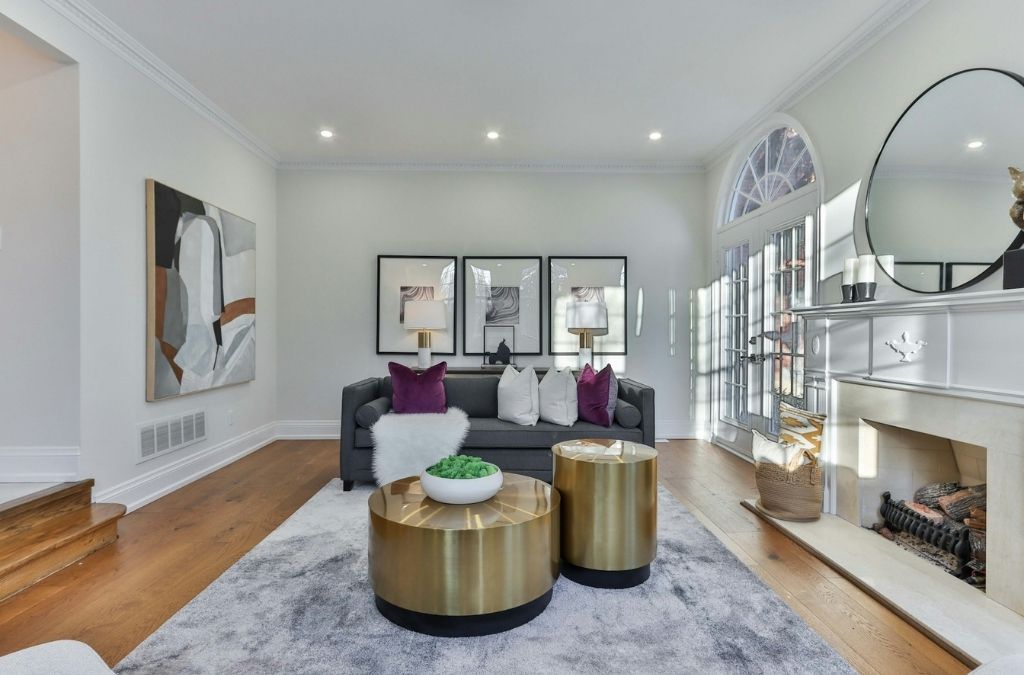
Lighting taught me one of my biggest lessons. I had never realized how much it affects the way a room feels until I paid attention to it. My living room had harsh overhead lighting. In the evening it made the space feel flat, bright, and a little uncomfortable, almost like an office. No matter how tidy the room was, it never felt cozy or refined.
The solution was easy. I switched to keeping things dim in the evenings instead of the main light. The soft and warm light changes the feeling of the whole room. The walls look more lively, the fabrics look smoother, and the cheap furniture looks nicer.
Here are the warm lighting ideas that worked best for me:
Switch off the harsh overhead light at night. Using a lamp or two in the evening instead made the room feel instantly calmer.Choose warm bulbs. The color of the light matters as much as the brightness. Warm tones feel welcoming, while cold white tones feel clinical.Place lighting at different heights. A lamp on a side table and another light in a corner creates depth, and depth is what makes a room feel designed rather than simply lit.
Let natural daylight in. During the day, I opened the curtains fully and made sure nothing blocked the windows. Daylight is free, and it makes every room look fresher and more spacious. If your curtains are heavy or dark, try keeping them tied back or pulled fully to the sides.
If you are working with a small budget, lighting is one of the smartest places to focus. A single lamp and a warm bulb cost very little, yet the effect is dramatic.
Choose a Simple Neutral Color Palette
The next thing I tackled was color. My room had too many colors and patterns competing at once, and it made everything look busy and less valuable than it actually was.
I realized that coordinating colors can make inexpensive furniture look far more elegant. So I simplified. I chose a neutral color palette built around soft, calm shades such as creams, warm whites, beiges, and gentle greys, and I tried to stay within it.
However, it doesn’t imply that your house has to be dull. Neutrality should not be identified with lifelessness. Neutrality means that you will create a calm basis for your room design and embellish it with interesting textures such as a knitted blanket, a cushion with linen fabrics, and a rattan basket.
Neutral tones can be very advantageous when you are decorating without too much money:
Using a variety of colors and patterns exposes cheap materials, as your eye recognizes all the irregularities. If you use only one shade and keep the same tone throughout the room, your eye sees the whole space as a united image.
Mixing many colors and patterns exposes cheap materials, because the eye notices every mismatch. When shades are consistent, the eye reads the whole room as one harmonious picture. That harmony is what we instinctively recognize as “expensive.”
You also don’t need to repaint everything. I worked with the pieces I owned and simply rearranged them so the colors matched better. If one item clashed, I moved it to another room rather than buying a replacement.
Refresh Items You Already Own
One of my favorite budget-friendly improvements was refreshing things I already had. This is where I saved the most money, and it was also the most satisfying.I cleaned my old furniture properly. It sounds basic, but a deep clean can make worn pieces look dramatically better. Removing dust, wiping marks, and freshening up fabrics made the furniture look newer and better cared for.
Then I rearranged my decorative accessories. A vase that looked lost in one corner looked wonderful on the dining table. A small tray that sat unused became a neat holder for candles on the coffee table. When you move items around and group them with intention, they look like new purchases.I also used my existing blankets and cushions in different ways. A throw folded neatly over the arm of the sofa, or cushions arranged in a balanced pattern, instantly made the seating area look styled. I paid attention to how many cushions I used. Too many looks messy, while a few well-chosen ones look deliberate.
This is a great reminder that you don’t always need to shop. Often the “new look” you want is already sitting in your home, waiting to be arranged properly.
Take Notice of the Minor Elements
After everything important was in order, it was time to take care of the small details. These make the difference between a neat room and a stunning room.I ensured the cushions were neatly placed on the couch, the blankets were folded in the right manner, and the figurines were arranged properly. I chose only a few carefully picked items instead of using every available decoration on the table.
Small details also include things people forget, like keeping cables out of sight, straightening frames on the wall, and making sure curtains hang cleanly. None of these cost much, but together they create the feeling that someone cared about the space.If you can afford one small purchase, I would suggest something that adds texture or warmth, like a good lamp shade or a simple plant. But even then, buy slowly and only after the free steps are done.
The Order I Would Follow If I Started Again
If I were starting from the beginning, I would not rush to the shops. I would follow this simple order:
Clear out your clutter and keep only the items you are absolutely fond of. Change the layout of your furniture so that the room looks less cluttered and spacious. Make sure to improve your lighting with warm light bulbs and lots of daylight. Limit your colors to a neutral palette. Change your existing accessories. Only then buy a few selected ones in case you feel the need for them.
This order matters. By the time I reached step six, I often found I didn’t need to buy anything at all.
The Biggest Lesson I Learned
The biggest lesson I learned about how to make your home look expensive for cheap is that thoughtful styling matters more than expensive purchases. A well-organized room, balanced colors, comfortable lighting, and attention to small details can create a beautiful home even when your decorating budget is limited.
You do not need a perfect home or a huge budget to begin. You only need to start with one small change, whether that is clearing a table, moving a chair, or switching off a harsh light tonight.
Frequently Asked Questions
What is the first step to make my home look expensive on a budget?
Start by decluttering. In my experience, clearing tables and shelves of unnecessary decorations made the biggest immediate difference. The room looked cleaner, more organized, and more sophisticated before I had bought a single thing.
Is new furniture necessary for achieving elegance at home?
The answer to this question is no. I managed to make my home look elegant without buying new furniture initially, which is only possible because I shifted my existing furniture around. In addition, cleaning my old furniture and putting it in style could change the look of the room completely.
In what way does lighting alter the look of a room?
As it has been mentioned earlier, lighting has a much bigger impact than many people think. I can say this after having experienced harsh ceiling lights in my room in the evening as well as bright, soft lights that added a different feel to my place.
Which colors work best for a budget-friendly home makeover?
A simple neutral color palette worked best for me. Instead of mixing many colors and patterns, I stuck to neutral shades, arranged my cushions neatly, and added a few carefully chosen decorative pieces. The room felt much more balanced.
Is it possible to enhance your living space without spending any money at it?
Sure, and this is what I love to discover the most. I cleaned some of the old furniture, reassembled the decorative décor, and repurposed my blankets and cushions in new ways. These little changes helped me achieve a new look at home at low expenditure.
What should you do first in case you start the process anew?
What I would recommend is dismantling the unnecessary things at home, rearranging the furniture, and setting up better lighting before heading to a store. All these ideas cost little money, are easy to use, and yet give a great visual impact.
Final Thoughts
If you want to make your home look chic, you don’t have to spend too much money for that. By decluttering the home of unnecessary items, using warm light, sticking to a neutral color scheme, and implementing smart budget decorating ideas, you can make your home cozy, stylish, and personalized.