

Choosing the right rug size is the decorating decision people get wrong most often. The color can be perfect and the pattern can be gorgeous, but if the rug is too small, the whole room feels unfinished. If it is too big, it crowds the space and can even become a tripping hazard.
I learned this through experience. A few years ago I purchased a beautiful wool rug for my living room without measuring any dimensions. It looked amazing in the store, but once it was put in the room, it seemed as if it were a small square of cloth in the middle of the floor. The sofa wasn’t on it, and the whole room appeared fragmented. After that I measured, experimented with different rugs, and returned more rugs than I wanted to admit; thus, I developed a very simple method that is always effective.
This guide presents this method, and now you will choose the right-sized rug once and for all.
Why Rug Size Matters More Than Style
A rug does more than add color. It anchors your furniture, defines zones, adds warmth underfoot, and absorbs sound. All of that depends on proportion.
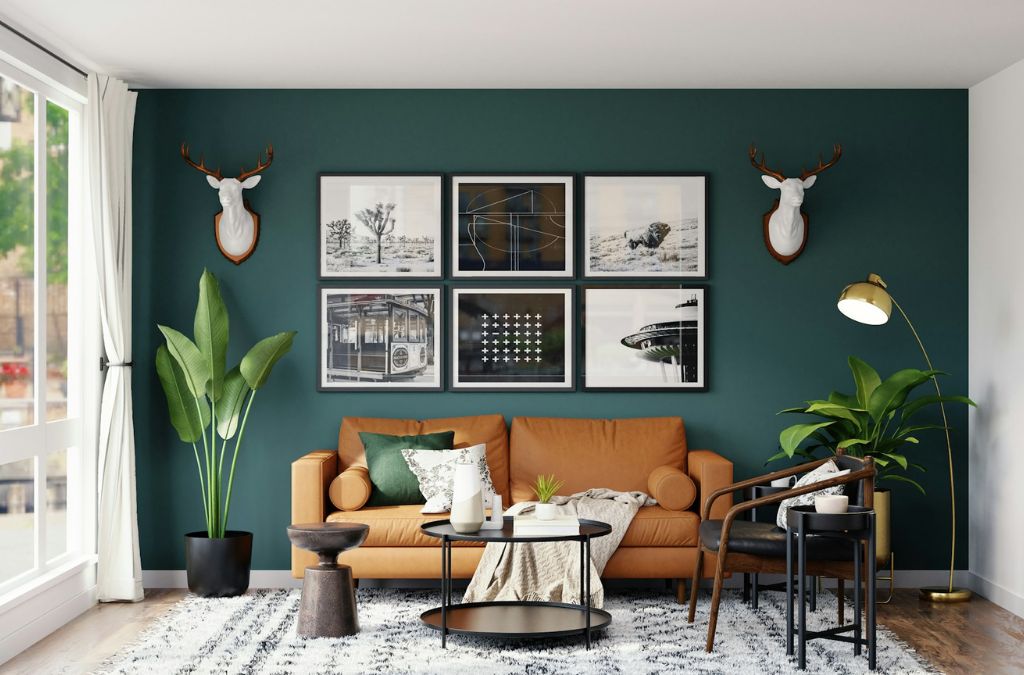
A correctly sized rug makes a room look larger and more intentional. Furniture feels connected rather than scattered. A rug that is too small does the opposite. It shrinks the visual space and makes your furniture look like it is drifting.
Here is the golden rule I use for every room: a rug should be large enough that at least the front legs of your main furniture sit on it. When in doubt, go one size bigger. In my experience, nobody has ever walked into a room and said, “That rug is a little too generous.” They notice when it is too small, every time.
Understanding Standard Rug Sizes
Before you measure your room, it helps to know what is actually available. Most rugs are sold in a handful of common dimensions, so knowing them saves you from falling in love with a size that does not exist in your price range.
These are the standard rug sizes you will see most often:
- 2′ x 3′ (60 x 90 cm): Doormats, entryways, and bath spaces
- 3′ x 5′ (90 x 150 cm): Small entry areas, kitchen sinks, beside a desk
- 4′ x 6′ (120 x 180 cm): Accent rugs, reading nooks, small bedrooms
- 5′ x 8′ (150 x 240 cm): Small living rooms, home offices, under a twin or full bed
- 6′ x 9′ (180 x 270 cm): Medium living rooms, small dining areas, queen beds in compact rooms
- 8′ x 10′ (240 x 300 cm): The most popular size, ideal for living rooms, queen and king bedrooms, and dining tables seating four to six
- 9′ x 12′ (270 x 360 cm): Large living rooms, king bedrooms, and dining tables seating six to eight
- 10′ x 14′ (300 x 420 cm): Open-plan spaces and very large living areas
- Runners (2’6″ x 8″ to 2’6″ x 12″): Hallways, narrow kitchens, and staircases
Keep in mind that sizes vary slightly between brands and countries. Always check the exact measurements in the product description rather than trusting the label alone. A rug called “8 x 10” can be a few inches off, and that matters when you are working with tight spacing.
How to Measure Your Room Before Buying
This step is usually overlooked by most people, and with it, you can save the most money. Here is what I usually do.
Measure the room’s length and width, and determine the location of your rug. Then, leave some uncarpeted space around your rug. I advise a distance of 12 to 24 inches (30 to 60 cm) in an average room. For a smaller room, 8 to 12 inches will do. The visible flooring balances the rug and makes the area feel spacious.
Now for one of my best ideas: I use painter’s tape to outline the area of the rug. Apply the tape, wait for a day, and walk around it. Set the furniture in the intended place. This will give you a good insight about whether the size is right or if there are other issues that cannot be detected with a measuring tape, like the door that hits the edge of the rug or the heating unit blocking one corner.
This simple test has saved me from at least three expensive mistakes. It takes ten minutes, and it is completely free.
This simple test has saved me from at least three expensive mistakes. It takes ten minutes, and it is completely free.
Living Room Rug Size: Getting the Layout Right
The living room is the place where rug size becomes very important, because it is the room that has the most furniture and visual weight. The decision regarding rug size hinges on how furniture relates to it. The general layouts include three options.
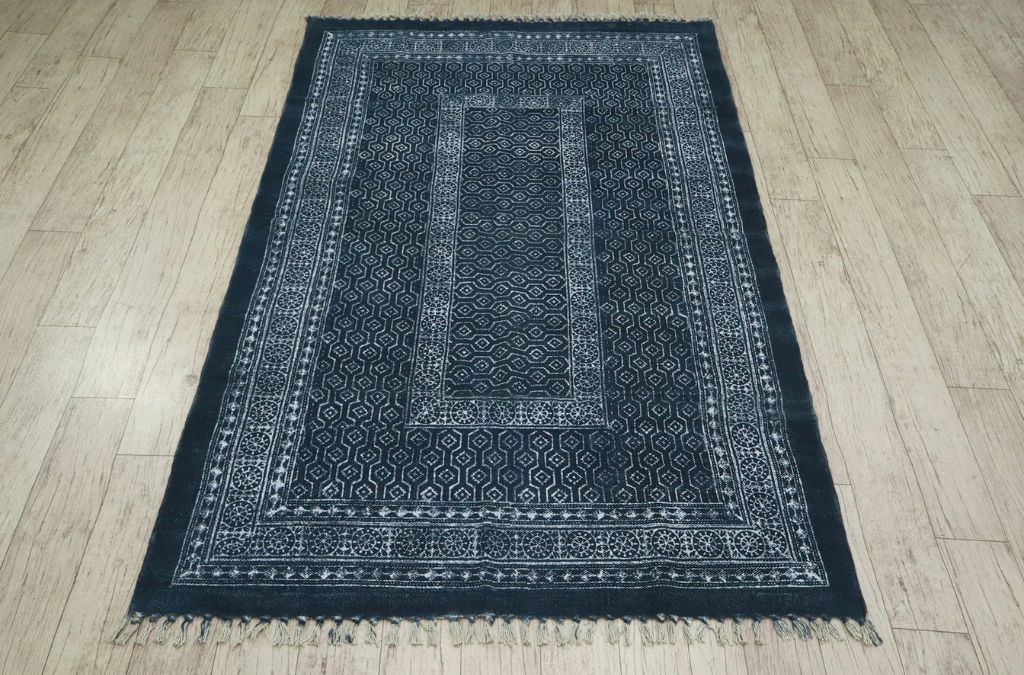
All legs are placed on the rug. This is the total luxury idea. Also, every piece of furniture, including a sofa, chairs, and coffee table, stands on the rug. It is the best option for larger rooms and a 9′ x 12′ rug and larger. Therefore, a single cohesive effect is achieved.
Front legs are placed on the rug. This is what I recommend most apartments to have. The front legs of chairs and the sofa are located on the rug, whilst the back legs remain on the floor. The seating area is connected without the need to have a giant rug that is the size of an 8′ x 10′.
Only the coffee table is placed on the rug. I do not suggest using this one unless it is a small room. A small rug makes the seating area look disconnected, and this was the mistake I made in my first apartment.
As a quick reference, a small living room usually suits a 5′ x 8′ or 6′ x 9′ rug, a medium room suits an 8′ x 10′, and a large or open-plan room suits a 9′ x 12′ or larger. If your room is open plan, use the rug to define the seating zone rather than trying to cover the entire floor.
One more tip: your rug should extend at least 6 to 8 inches beyond each side of your sofa. That slight overhang makes the arrangement look planned instead of accidental.
Bedroom Rug Size: Comfort Underfoot
A good bedroom rug size does one practical job above all: it gives you something soft to step on when you get out of bed. That means the rug needs to extend well past the sides of the bed, not just peek out from the foot.
For most bedrooms, I recommend placing the rug under the bottom two-thirds of the bed, so it extends at least 18 to 24 inches beyond both sides. Here is how that translates by bed size.
For a twin bed, a 5′ x 8′ rug works well. For a full bed, choose a 5′ x 8′ or 6′ x 9′. For a queen bed, an 8′ x 10′ is the safest choice, and a 6′ x 9′ can work if the room is compact. For a king bed, go with an 8′ x 10′ at minimum, and a 9′ x 12′ if the room allows it.
I once put a 5′ x 8′ rug under a queen bed to save money, and it looked wrong immediately. The rug barely showed on each side, and my feet still hit cold floor on the first step. I replaced it with an 8′ x 10′ within a week, and the difference was dramatic.
If you prefer not to put a large rug under the bed, you can use two runners, one on each side. This option looks stylish and uses less material, and it works especially well in rooms with a lot of furniture.
Dining Room Rug Size: Think About the Chairs
The dining room is where people make the most mistakes, because chairs move. The right dining room rug size must be large enough that the chairs stay on the rug even when someone pulls them out to sit down.
The rule here is simple. Measure your table, then add at least 24 inches (60 cm) on every side. That gives chairs enough room to slide back without catching on the rug edge, which is both annoying and a safety risk.
A round table with a 4-foot diameter works with a 7- or 8-foot round rug. A rectangular table seating four to six usually needs an 8′ x 10′ rug, and a table seating eight or more calls for a 9′ x 12′ or larger. If the rug is too small, the chair legs will keep dropping off the edge, and the rug will start to look messy and uneven.
Material matters here as well. Dining areas see spills, crumbs, and constant chair movement, so I choose low-pile or flatweave rugs. Thick shag in a dining room is a cleaning nightmare, and I do not recommend it.
Hallways, Kitchens, and Entryways
Smaller spaces follow their own logic. For a hallway, choose a runner that leaves 4 to 6 inches of bare floor on each side. The runner should be about 12 to 18 inches shorter than the hallway length so it does not touch the walls at either end.
In the kitchen, a runner in front of the sink or along the counter adds comfort for your feet and protects the floor from splashes. Pick something washable if you can.
For entryways, size the rug so the front door can open fully without catching on it. A 3′ x 5′ is a safe choice for most doors, and a 2′ x 3′ works for tight spaces. Always add a non-slip pad underneath, because entryway rugs take the most foot traffic and move around the most.
Common Rug Size Mistakes to Avoid
Through the years, I keep meeting the same mistakes. The most common one is buying a rug that is too small. People are worried about spending too much, so they go for a smaller rug, buy it, and have to get a new one later.
Another popular mistake is not thinking about the doors. A thick rug may block a door, and you will be able to open it only after it has already been delivered. Make sure to measure both the height of the door and the thickness of the rug (with the pad).
Another common mistake is forgetting the shape of the room. For a long, narrow room, a rectangular rug is usually the best choice, while a square room would suit a square or round rug. The shape of the rug should correspond to that of the room to make everything look good.
Many people forget about the rug pad. A rug pad provides a better grip, cushions your feet and protects your floor. The rug pad should be cut about an inch smaller than the actual rug so that it is not visible.
Final Thoughts on Choosing the Right Rug Size
Choosing the correct rug size is about correct proportions rather than rules. Take a good look at your room, and use tape to mark off the size of the rug you wish to buy. With this done, think about how your other furniture will sit in relation to the rug size you are about to choose. Remember that larger is always better than smaller.
The most important lesson from this guide is that a well-fitting rug will always beautify a room more than a designer expensive rug in the wrong size. Spend ten minutes with a measuring tape and you will be enjoying your new rug for years to come!
Frequently Asked Questions About Rug Size
What is the most popular rug size?
The 8′ x 10′ is the most popular choice. It suits average living rooms, queen and king bedrooms, and dining tables seating up to six people.
How much floor should show around a rug?
In most rooms, leave 12 to 24 inches of bare floor around the rug. In small rooms, 8 to 12 inches is enough. This border frames the rug and keeps the room feeling open.
Should a rug go under all the furniture legs?
Not necessarily. Having at least the front legs of your sofa and chairs on the rug is enough to connect the seating area. Placing all legs on the rug looks more luxurious, but it needs a larger rug.
What rug size should I use under a queen bed?
An 8′ x 10′ is the best option for most queen beds. A 6′ x 9′ can work in a smaller room, but it will leave less rug visible on each side.
What dining room rug size works for a six-person table?
Choose an 8′ x 10′ rug in most cases. The rug should extend at least 24 inches beyond the table edges so chairs stay on it when pulled out.
Can a rug be too big for a room?
Yes. If the rug touches the walls or blocks doors and vents, it is too large. Always leave visible floor around the edges so the room feels balanced.
Do I need a rug pad?
Yes. A pad prevents slipping, adds comfort, extends the life of your rug, and protects your flooring. Choose one slightly smaller than the rug.
How do I test a rug size before buying?
Mark the dimensions on your floor with painter’s tape and leave it for a day. Walk around it and place your furniture to see how it looks and feels.